
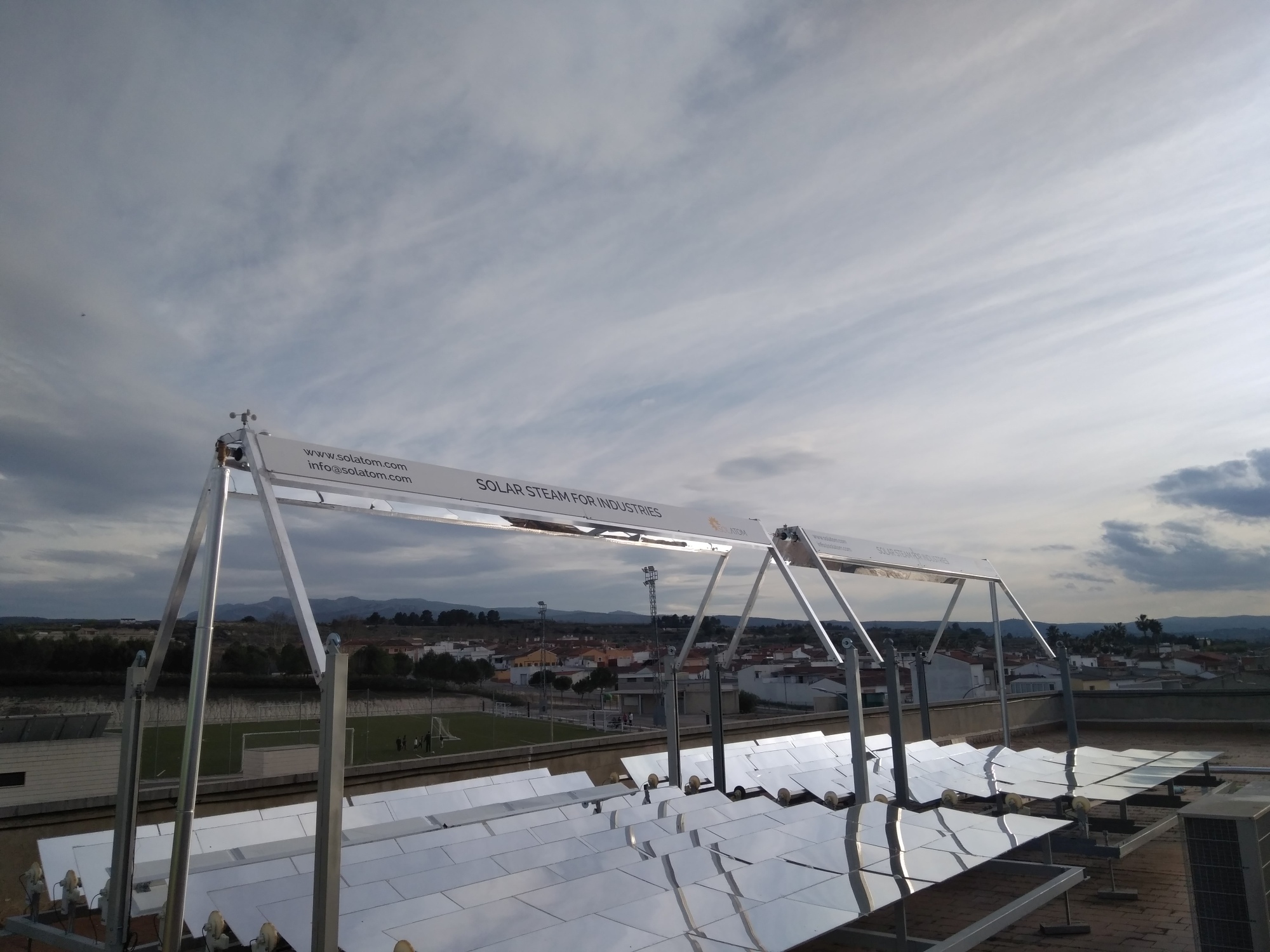
This pioneering initiative stands as a unique pilot project in Chile, dedicated to investigating the integration of heat-driven renewable technologies. As part of the international Power-to-MEDME project, Fraunhofer Chile is implementing a cutting-edge facility at the University of Chile's Parque Laguna Carén featuring Fresnel solar concentrating technology. By harnessing the sun to power Direct Steam Generation (DSG), the system bypasses traditional methods to produce steam that can be applied directly to various industrial processes, including advanced carbon capture.
The core of the project relies on Fresnel technology, which uses flat or slightly curved mirrors to concentrate sunlight onto a fixed receiver tube overhead. Inside this tube, water is heated until it converts into steam. This design is particularly notable for its adaptability, low installation costs, and operational simplicity—qualities that make it ideal for industrial applications in Chile’s high-radiation environment. Thanks to a strategic collaboration with SOLATOM, this project bridges a critical gap in the local energy landscape, establishing a type of pilot facility that previously did not exist in the country.
Designed as a flexible experimental hub, the plant serves multiple purposes: it combines applied research and academic training with direct industry collaboration. The initiative aims to evaluate Fresnel technology under real-world operating conditions, analyzing how this thermal system integrates with broader renewable power generation technologies. The resulting performance indicators will be documented in a comprehensive technical report, providing industry stakeholders and researchers with concrete metrics to scale production and drive future applications.