
The exceptional solar irradiance of the Atacama Desert catalyzed the rapid expansion of Chile's photovoltaic (PV) industry. Identifying this unique potential, Fraunhofer CSET prioritized the acquisition of empirical "ground truth" data regarding solar plant performance. The objective was to transcend theoretical modeling and characterize system behavior under actual operating conditions, addressing critical variables such as extreme thermal cycling, particulate accumulation, and material degradation induced by environmental exposure.
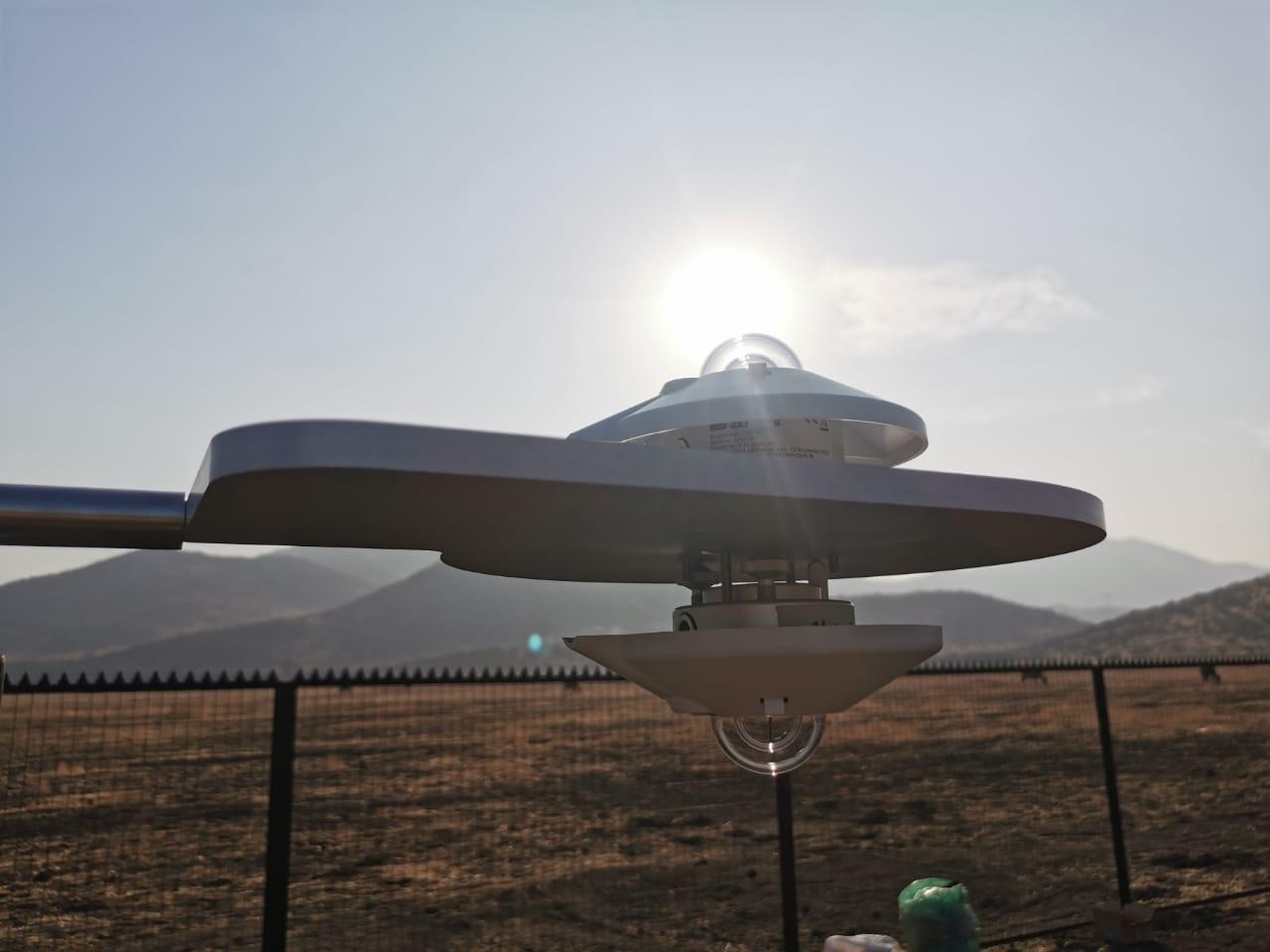
A critical milestone in this research initiative was the commissioning of the meteorological and solarimetric station in Diego de Almagro. Engineered to evaluate both PV and Concentrated Solar Power (CSP) technologies, this advanced facility featured Rotating Shadowband Irradiometer (RSI) systems. It established a comprehensive environmental profile by quantifying key metrics—including global horizontal (GHI), diffuse horizontal (DIFF), and direct normal irradiance (DNI)—alongside ambient temperature, humidity, precipitation, atmospheric pressure, and wind dynamics. Following this successful deployment, a network of approximately ten analogous stations was implemented across various projects.
This rigorous data acquisition and the subsequent standardization of analysis evolved into a specialized service: Solar Resource Studies. These insights have been fundamental in elucidating the behavior of photovoltaic assets in extreme environments. Today, this expertise serves as a cornerstone for the utility-scale sector, delivering the essential data required to assess investment risks, optimize energy yield, and maximize the operational efficiency of solar power plants.