
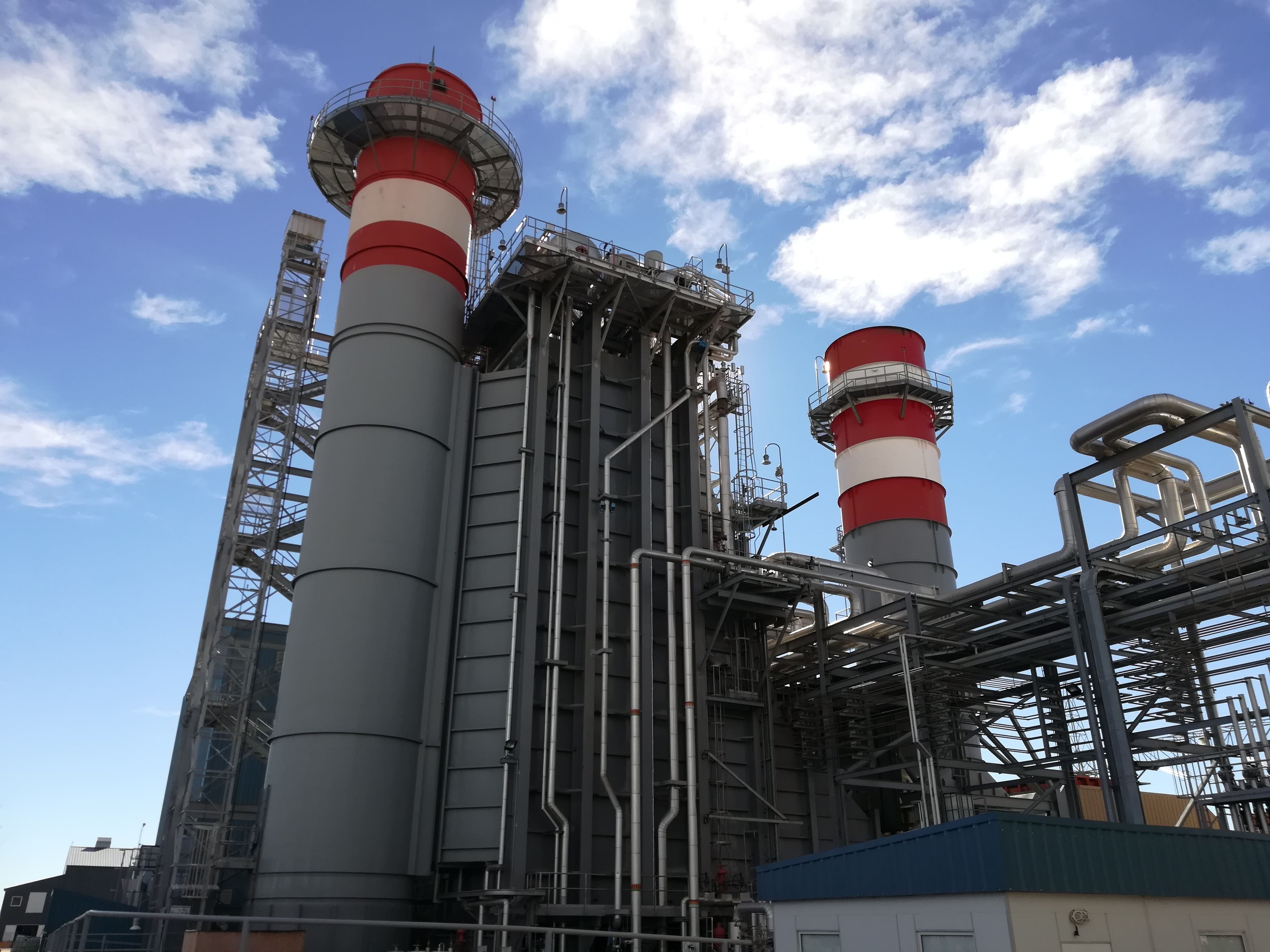
Fraunhofer Chile deployed its advanced modeling and simulation capabilities to address the challenge of thermoelectric plant reconversion, with a primary focus on green hydrogen and its derivatives. The team evaluated the integration of sustainable fuels into existing infrastructure, analyzing critical scenarios such as the co-combustion of green hydrogen with natural gas and the co-firing of green ammonia with coal.
The study assessed key variables including system thermal efficiency, emission profiles, and fuel logistics. Beyond hydrogen-based solutions, the research also explored alternative technologies, such as thermal energy storage using molten salts.
This comprehensive analysis identified the most technically viable conversion pathways, weighing them against technological maturity and greenhouse gas reduction targets. Crucially, the resulting conversion plan incorporates social and economic considerations for local communities, proposing a spectrum of solutions that range from the high-level reuse of plant components to full facility shutdowns for land repurposing.